You want fast proof that an idea can work without spending months or a fortune. MVP examples show how real companies tested core value with the smallest, cheapest version of a product and learned what to build next. That simple goal — validate demand and gather feedback — separates projects that stall from those that scale.
This post walks through the best MVP examples across websites, apps, marketplaces, physical products, and services so you can spot patterns and copy what’s proven. You’ll see clear product MVP examples and common mistakes to avoid, so you can pick ideas that fit your resources and test quickly.
Key Takeaways
- MVPs validate core demand with the smallest usable product.
- Look to proven examples to shape your own testable idea.
- Learn common pitfalls so you iterate faster and smarter.
What Is an MVP?
An MVP is the simplest working version of a product that proves a core idea, collects real user feedback, and guides what to build next. It focuses on one main user need, launches quickly, and uses small resources to test if your idea has value.
Purpose of MVPs
The main purpose of an MVP is to validate a product idea with real users before you spend time and money building every feature. You pick one core problem to solve—like buying a ticket, saving a contact, or testing a new search flow—and build only what users need to complete that task.
You use the MVP to learn: who your users are, what they will pay for, and which features matter most. This reduces risk by showing whether the idea works in the market. It also helps you make data-driven choices, such as pivoting to a new direction or doubling down on a feature that users love.
Key MVP Characteristics
An MVP strips a product to its core. It has only the essential features required to deliver the main value proposition. For example, a product MVP example might include a product listing and basic checkout without wishlists or recommendations.
An MVP is quick to build and easy to change. You often use prototypes, landing pages, or simple web apps as MVP website examples. You measure outcomes with metrics like sign-ups, conversion rate, and user retention to decide next steps.
Benefits and Limitations
Benefits: MVPs lower development cost and time. They give clear user data so you can improve the product in small, low-risk steps. Startups use MVPs to show traction to investors and to find product-market fit sooner.
Limitations: An MVP may leave out important features that users expect, which can hurt first impressions. It can also produce misleading feedback if you test the wrong audience or use poor metrics. You must balance speed with enough polish to get honest user reactions.
For startups or businesses looking to build efficiently, leveraging MVP development services can speed up the process while ensuring your core idea is tested properly. For a step-by-step approach to building your own MVP, You can also follow our MVP Development Guide to learn how to plan, launch, and iterate efficiently.
Classic MVP Examples
These examples show simple, testable products that proved demand with little build time and low cost. Each used a clear experiment to learn fast and decide what to build next.
1. Dropbox
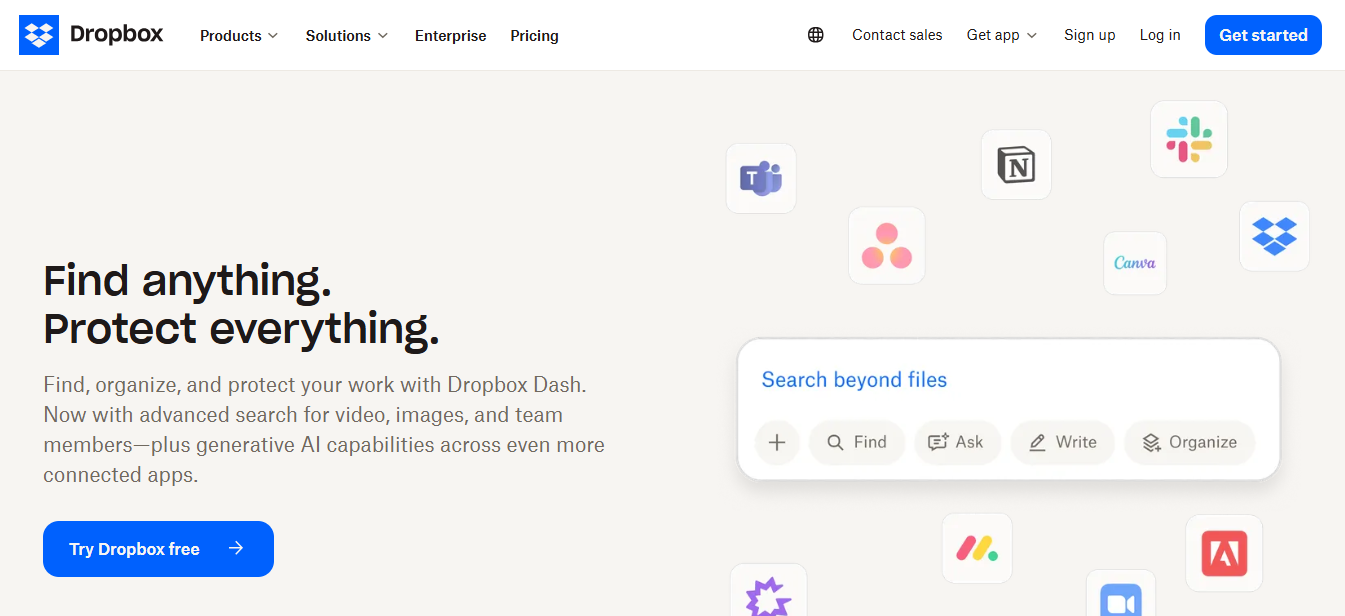
Dropbox began with a short explainer video that showed the product concept and a simple demo of file syncing. You watched a clear workflow and signed up on a waitlist. The team measured signups and demand before building complex sync code.
Key points:
- Method: explainer video + landing page.
- Goal: validate user interest and need for seamless file sync.
- Result: thousands of signups that justified full product development.
This approach let you see real user interest without the engineering cost. It also focused the team on what matters most: solving reliable file sharing and syncing for users.
2. Airbnb
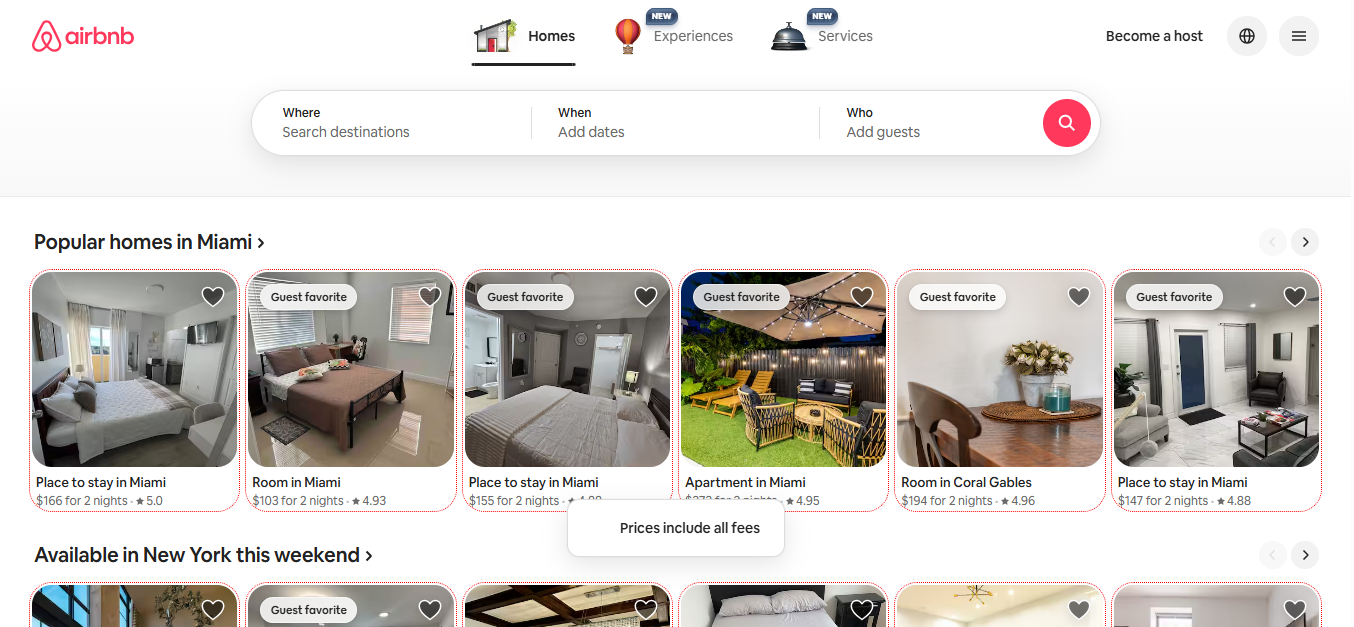
Airbnb started as a simple website that listed three air mattresses in an apartment during a conference. You could view photos, read a short description, and book a stay. The founders handled bookings and payments manually to learn guest and host needs.
Key points:
- Method: basic listing site with manual operations.
- Goal: validate demand for short-term rentals and willingness to pay.
- Result: early revenue and strong learning about pricing, photos, and trust issues.
You gain direct feedback by running operations yourself. That taught the team what product features (profiles, reviews, secure payments) mattered most to both hosts and guests.
3. Zappos
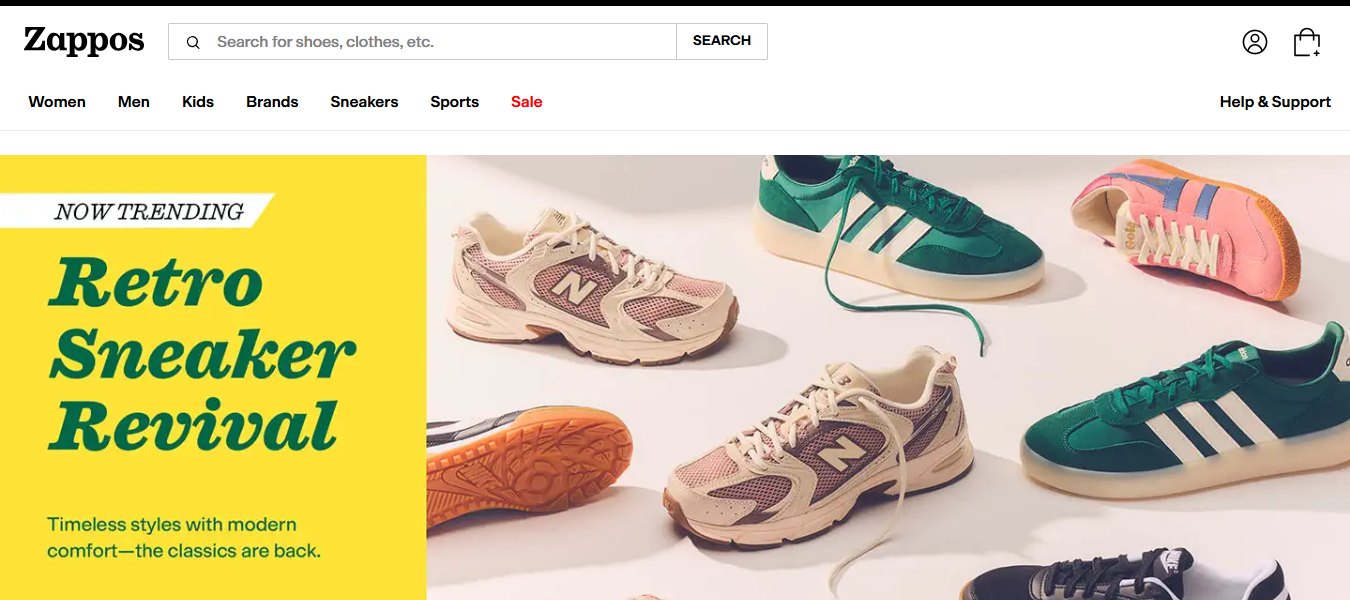
Zappos tested the market by photographing shoes at local stores and posting them online. When an order came in, the founder bought the shoes and shipped them. You could buy items that weren’t yet in an inventory system.
Key points:
- Method: concierge-style selling with manual fulfillment.
- Goal: validate demand for buying shoes online and learn popular styles.
- Result: proof of concept and data on customer preferences that justified automating inventory and logistics.
This low-cost, manual model let you confirm real buying behavior before investing in warehouses and supply chains.
Digital Product MVP Examples
These examples show simple, focused launches that proved demand, gathered user feedback, and cut development risk. Each case highlights the core feature set and the testing method used to validate the idea.
4. Instagram

Instagram launched as a simple photo app with filters and a social feed. You would notice fast image uploads, a clean feed, and a small set of editing tools. The first users could post, follow, and like photos — no stories, messaging, or ads.
The MVP focused on one clear value: make mobile photos look great and shareable. That let the team measure retention and sharing behavior without building a full social network. You can copy this by shipping one polished feature, then using engagement metrics to guide additions.
Key takeaways you can apply:
- Build one core feature that solves a clear user problem.
- Use simple UI and fast performance to boost early adoption.
- Track basic metrics: sign-ups, shares, daily active users.
5. Uber
Uber began as a black-car booking service in one city. You would call a number or use a basic app to request a ride. The founders validated pricing, demand, and dispatch flow before building maps, surge pricing, or a global network.
Their MVP tested core logistics: matching riders with drivers and processing payments. This revealed pain points like driver onboarding and pricing sensitivity. You can run a similar test locally to validate unit economics and user wait times before scaling.
Simple steps to emulate Uber’s approach:
- Run a concierge or manual version of the service.
- Validate willingness to pay and operational costs.
- Automate progressively based on real demand patterns.
6. Spotify
Spotify’s early product let users stream a limited catalog on desktop with simple search and playlists. You would try streaming tracks instantly rather than downloading them. The MVP proved users preferred instant access and that ad-supported or subscription models could work.
The focus stayed on playback reliability and catalog licensing. That helped negotiate rights while testing user behavior around discovery and playlists. For your MVP, prioritize the content delivery core, measure play frequency, and test monetization options with small user segments.
Practical lessons from Spotify:
- Prioritize the content delivery experience first.
- Use a limited catalog or region to control costs.
- Validate monetization (ads vs. subscriptions) with A/B tests.
Service-Based MVP Examples
These examples show how simple, low-cost approaches proved real demand before building full products. Each case used a focused test to learn fast, save money, and guide next steps.
7. Facebook

Facebook started as a simple directory for Harvard students. You could create a profile and see others’ photos and basic info. The MVP proved people wanted a private social space tied to real identities.
You don’t need every feature to test social demand. Facebook launched features slowly: profiles, friend connections, and photo uploads came after users showed interest. That staged approach reduced risk and let the team fix core usability first.
For your MVP, match access to a clear audience. Use a simple signup tied to an institution or group, and track which features get real use. That data tells you what to build next and who will pay or engage.
8. Buffer
Buffer began with a landing page and a pricing mockup before any product code. The founder used a simple signup form and a “plans” page to measure interest in scheduled social posts. People who signed up validated demand and willingness to pay.
You can copy this by testing price sensitivity and feature interest with a page and email capture. Buffer added an early waiting list and simple confirmation emails to see conversion rates. This saved development time and focused the product roadmap.
When you run this test, watch conversion rates and follow-up replies. Real user questions reveal feature priorities. Build the smallest scheduler that covers those basics next.
9. Groupon
Groupon launched as a basic WordPress site that posted daily deals manually. The founders emailed PDFs to buyers and called businesses to arrange offers. This concierge-style method tested whether people would buy local deals before creating the full automated platform.
Using a manual process helps you validate a marketplace or local service without building complex systems. You manage supply, payments, and delivery by hand to learn operational challenges and capture customer feedback.
For your MVP, list offers, gather buyer emails, and handle transactions with simple tools (email, PDFs, payment links). Track redemption rates and merchant feedback to decide which features to automate first.
MVP Examples in Mobile Apps
These examples show simple core features, fast user testing, and clear paths for adding features later. Each app started with a focused idea that proved demand before expanding.
10. WhatsApp

WhatsApp’s early MVP focused on two things: sending short text messages and showing user presence. You could see who was online and send messages that arrived quickly. That small set of features solved the basic problem of cheap, instant messaging across phones.
You should notice how WhatsApp avoided extra features like status feeds or complex profiles at first. The app prioritized reliability, low bandwidth use, and cross-platform support. This made growth viral: users invited contacts because it worked better than SMS and cost less.
For a product MVP example, WhatsApp shows you how to validate a messaging idea by shipping a tight, reliable experience. Add advanced features only after demand and usage patterns are clear.
11. TikTok

TikTok’s MVP began as a simple video-sharing app focused on short clips and an easy way to create and post video. The initial product emphasized recording, trimming, and basic filters so users could produce content fast.
You should note the emphasis on content discovery. TikTok’s early feed algorithm prioritized engagement and quick repetition, boosting viral growth. The app encouraged creativity with minimal editing tools, which lowered the barrier for new creators.
As a product mvp example, TikTok proves that if the creation flow and discovery loop work, you can scale rapidly. Start with one strong content format and a frictionless posting path, then refine recommendation and editing tools.
12. Snapchat
Snapchat’s MVP offered ephemeral photo messages that disappeared after viewing. The idea was simple and clear: send a private photo that won’t persist. That single feature changed how users shared casual, behind-the-scenes moments.
You should observe Snapchat’s focus on privacy and immediacy. The ephemerality reduced social pressure and encouraged more frequent sharing. Early growth came from users who wanted more authentic, less permanent communication than traditional social networks.
This minimum viable product example highlights solving a specific social pain point with one strong mechanic. Once the basic sharing behavior stuck, Snapchat added Stories, filters, and AR effects to expand engagement.
Physical Product MVP Examples
These examples show how founders tested demand with simple, low-cost versions of real products. Each used a clear assumption, a focused test, and fast feedback to decide the next steps.
13. Pebble Smartwatch
You can learn from Pebble’s Kickstarter-first approach. The team built a working prototype with a basic e-paper screen, simple notifications, and long battery life. They did not try to ship a polished OS or a full app ecosystem at launch.
Pebble used crowdfunding to prove demand and collect preorders, which funded manufacturing. Backers gave feedback on features like button layout and notification types. That input guided firmware updates and accessory choices.
Key lessons you can apply: validate demand with preorders, build a narrow feature set that solves one real problem, and use early customers to refine hardware and software before mass production.
14. iPhone
When Apple first tested the modern smartphone idea, the early prototype focused on a touchscreen, responsive UI, and a strong web browsing experience. You should note they combined hardware and software as the minimal viable experience, not every possible app or feature.
Apple launched with core features: phone calls, email, Safari web browsing, and a music player. They skipped third-party apps at first, then opened the platform after seeing clear user behavior and developer interest. This staged rollout reduced risk while proving the concept.
For your product mvp example, focus on the few features that define the user experience. Use usage data to decide when to expand features or invite outside developers.
15. Oculus Rift
Oculus began as a simple headset prototype that proved virtual reality could feel immersive and affordable. The initial dev kits prioritized head tracking, low-latency display, and a comfortable form factor over polished consumer packaging.
The team shared prototypes with developers and enthusiasts to collect technical feedback and build a software library. That gave them proof points for hardware investments and manufacturing decisions. You can replicate this by getting prototype hardware into the hands of target users early.
If you build a physical MVP, test the core technical assumptions first, recruit early adopters for detailed feedback, and use those learnings to improve fit, heat management, and content support before a full consumer launch.
Marketplace MVP Examples
These examples show simple, testable launches that proved demand, gathered user feedback, and let teams improve core features without big upfront costs.
16. Etsy
Etsy began as a small site for handmade goods and vintage finds. You can learn from how they focused on a single niche: crafts and art. That let them attract buyers who wanted unique items and sellers who needed an easy way to reach them.
For your MVP, replicate Etsy by creating a basic listing system with photos, short descriptions, prices, and a simple seller signup. Skip advanced search, ratings, and payment escrow at first. Use email or manual payments if needed to validate demand and work out seller logistics.
Key actions to copy:
- Build a niche marketplace page.
- Let sellers list items quickly.
- Handle transactions manually to start.
- Collect seller and buyer feedback for feature priorities.
17. Uber
Uber’s MVP was a simple app that connected riders with drivers in one city. They launched in San Francisco with a limited user base and a bare-bones booking flow. That approach proved riders would use on-demand car service and let founders fix pricing, routing, and driver onboarding.
If you build a similar MVP, focus on these elements: a one-button booking, driver acceptance, and a basic matching logic. Use human dispatch behind the scenes early on to handle routing and exceptions. Track trip times, fare acceptance, and cancellation reasons to refine algorithms.
Quick checklist:
- Launch in a single neighborhood.
- Offer minimal booking and driver tracking.
- Use manual operations to test demand.
- Gather trip data to iterate fast.
18. Amazon
Amazon launched as a simple online bookstore before expanding. The MVP let them prove people would buy books online and allowed the team to refine search, fulfillment, and supplier relationships. They kept costs low by focusing on a single product category and manual fulfillment processes.
To apply this model, pick one product category you know well. Build a basic catalog page, simple shopping cart, and manual order fulfillment workflow. Prioritize fast shipping and clear return policies to build trust. Use sales data to decide when to automate inventory, add categories, and improve site features.
Starter steps:
- Start with one focused category.
- Offer clear listings and a simple checkout.
- Fulfill orders manually to learn logistics.
- Expand categories based on real purchase data.
Lessons Learned from MVP Successes
You can use small, focused tests to learn fast, change direction, and build features people actually need. The lessons below show how teams improved step by step, used real user input, and changed plans when data demanded it.
Iterative Improvement
Start with one clear problem and ship the smallest feature set that solves it. For example, a marketplace might launch just listings and messaging, not payments or ratings. Release fast, measure usage (clicks, time on task, conversion) and fix the biggest blockers first.
Use short cycles — one- to four-week sprints — so you can push updates often. Each release should have a hypothesis, a test, and a success metric. Track one primary metric (like activation rate) and a few secondary metrics. Fix usability issues that stop new users from completing the core task before adding new features.
Document changes and results. That record helps you avoid repeating failures and shows which ideas improved retention or revenue. Over time, small, data-driven changes build a solid product without wasting time on features users don’t want.
Early User Feedback
Talk to real users from day one. Invite a small group to try your product and watch them use it. Combine interviews, support logs, and in-app analytics to see where they struggle and what they love.
Ask specific, task-focused questions: “What stopped you from completing X?” or “Which feature helped you most today?” Avoid broad questions like “Do you like this?” that yield vague answers. Use tools like session recordings and surveys after key actions to capture honest reactions.
Prioritize feedback that matches behavior signals. If many users ask for a feature but few actually fail without it, hold off. If users repeatedly drop out at the same step, fix that flow first. Treat early feedback as a guide for what to build next, not as a checklist to implement immediately.
Pivoting Strategies
Be ready to change course when evidence shows your idea won’t scale. A pivot can mean targeting a different user group, shifting pricing, or refocusing on a single core feature that users clearly value.
Define clear pivot triggers before you start: poor activation after X users, low retention after Y days, or a lack of willingness to pay in trials. When a trigger fires, run quick experiments to test new directions rather than committing to a full rewrite. For example, convert a broad productivity app into a niche tool for remote teams if that group shows higher engagement.
Keep technical and product debt manageable so you can pivot with less cost. Maintain modular code and avoid custom work for features you may drop. Communicate pivot reasons to your users and team with data, not promises, so everyone sees why the change improves the odds of product-market fit.
Common Mistakes in MVP Development
You can lose focus by trying to build a full product instead of a true MVP. Teams often add too many features. That raises cost and slows feedback from real users.
Skipping market research leaves you guessing what users want. You may build a feature users don’t need. Test assumptions with simple experiments first.
Ignoring user feedback hurts learning. Listen to early users and change fast. Use their input to pick the next feature to build.
Poor scope control and vague goals make progress hard to measure. Define one clear problem your MVP solves. Track a few metrics that show if you’re moving forward.
Underestimating time and budget causes rushed decisions and technical debt. Plan small iterations and reserve time for fixes. Balance speed with basic quality.
Neglecting security and compliance risks your product and users. Even simple MVP websites must protect data and follow rules for your market. Address obvious risks early.
Using the wrong technology can slow you down. Choose tools that let you test ideas fast, like no-code or simple stacks. Avoid complex architectures until you validate demand.
Common pitfalls at a glance:
- Too many features — loses focus and feedback speed.
- No market validation — builds the wrong thing.
- Ignore user feedback — misses real improvements.
- Poor scope control — unclear goals and slow progress.
- Underfunding time/budget — creates technical debt.
- Security/compliance gaps — exposes risks.
How to Analyze MVP Examples for Inspiration
Start by noting the core problem each MVP solved. Ask: what user pain did it target? Write a short sentence that captures the main user need each example met.
Look at scope and features. Spot the smallest feature set that delivered value. Mark which parts were essential and which were left out.
Check the validation method next. Did the team use a landing page, explainer video, or simple prototype? Record how they tested demand and collected feedback.
Compare business models and metrics. Note how each MVP aimed to make money or grow users. Track simple metrics like sign-ups, conversion rate, or retention.
Examine speed and cost of launch. Lower time and cost often mean smarter trade-offs. List tactics that reduced build time, such as using existing platforms or manual processes.
Use this quick table to guide your review:
- MVP name — core problem — validation method — key metric — launch trick
Apply insights to your idea. Match a validation method to your resources. Choose one metric to track first.
Finally, copy tactics, not code or exact features. Adapt what worked to your market and constraints. Keep testing and iterate based on real user feedback.
How Tekrevol can Build Up Your MVP
Tekrevol Mvp development services helps you move from idea to a working MVP quickly. They first map your core problem and target users so your MVP focuses on the most important features.
You get a clear plan with priorities and a timeline. Tekrevol uses rapid design and prototyping to show you a clickable product before any code is written.
Their development team builds the minimum set of features needed to test demand. They use modern stacks and reusable components to keep costs down and speed up delivery.
Tekrevol runs user testing and analytics on the MVP to gather real feedback. You learn which features to keep, improve, or drop based on data — not guesswork.
Pricing and scope stay transparent. Tekrevol often offers phased delivery: an initial MVP, followed by iterative releases that expand the product based on validated learning.
What you receive:
- Product strategy and feature roadmap
- Clickable prototype and UX designs
- Working MVP with core integrations
- User testing reports and analytics
You stay involved through regular demos and milestone reviews. This keeps the product aligned with your vision and helps you prepare for scaling or seeking investment.